When you go for a gypsy safari in Tadoba National Park, the first thing you’ll notice is the natural scent of earth and trees. The forest of Tadoba is home to an incredible variety of plants and trees. These flora species bring this jungle to life. Tadoba supports a rich variety of plant life across its dry deciduous forest landscape. From the tall trees to the tiny herbs, this forest has everything for the animals living inside it. It’s a must-visit destination for nature lovers. Let’s know about the special flora of Tadoba.
Tadoba Biodiversity at a Glance
| Wildlife / Plant Group | Current Official TATR Information | Examples |
|---|---|---|
| Plants | 650+ | Teak, bamboo, tendu, palash, mahua |
| Mammals | 80 | Tiger, leopard, gaur, sloth bear, dhole |
| Birds | 300+ | Indian pitta, hornbill, fish eagle, paradise flycatcher |
| Butterflies | 125+ | Lime butterfly, common rose, banded peacock |
| Amphibians | 5 listed on current ecology portal | Frogs and other amphibians |
| Fish | 25+ listed on current ecology portal | Freshwater species |
| Dragonflies & Damselflies | 25+ | Species found around forest and wetland habitats |
Note: Species totals can vary between surveys and official publications. Older detailed inventories may report different counts because of differences in survey period, geographic coverage and methodology.
Trees
This park is blessed by God for having a wide range of tree species. The forest type here is tropical dry deciduous, and most of the trees shed their leaves in the dry season here. But, even in the driest months, the forest remains beautifully alive because of the mix of trees it has. The major tree species that are found in Tadoba are Teak, Ain, Bamboo, Bija, Dhaoda, Haldu, Salai, Semal, and Tendu. Out of these, teak is one of the dominant tree species in the Tadoba landscape. The tall teak trees form an important part of Tadoba’s dry deciduous forest cover. Other than this, the other tree that would be seen everywhere will be Bamboo. Bamboo occupies about 41% of the Tadoba-Andhari Tiger Reserve landscape and provides food and cover for wildlife.
Other than these two, different zones have different trees. Near water bodies like lakes, streams, and rivers, one can find trees like Mango, Jamun, and Arjun. These trees attract the birds and give shelter and shade to many animals. If you go near the water areas, then you can find these trees, and in that area, you can enjoy a delightful smelling safari experience. Several of these tree species have ecological importance for wildlife and are also traditionally used by local communities.

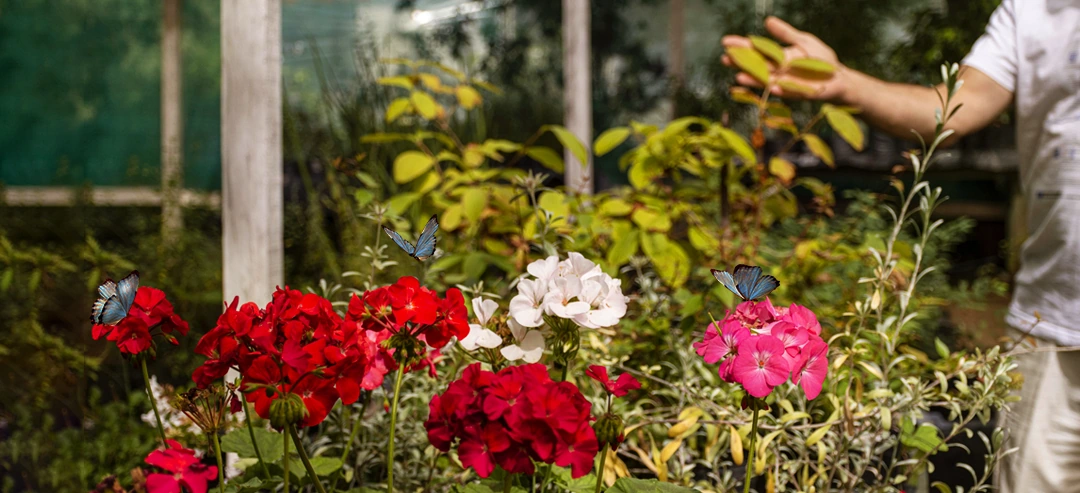
667 Recorded Plant Species
The Botanical Survey of India recorded 667 plant species in Tadoba National Park, covering 393 genera and 110 families, including angiosperms and pteridophytes. From the tiny ground-cover blooms to large flowering trees, this park supports a diverse range of plant life. The appearance of flowering plants changes with season, rainfall and individual plant species.
When you go for a safari in Tadoba National Park, you might spot wildflowers looking beautiful in open areas, or you can also see colorful creepers climbing on rocks and tree trunks. These flowering plants attract butterflies, bees, and birds, adding to the ecological diversity of the forest.
In all, the trees offer shade and shelter, flowers provide nectar, and bamboo thickets provide food and cover for many wildlife species. Each plant community of Tadoba contributes to maintaining the natural balance of the forest.
Wild Fauna of Tadoba National Park
Tadoba is a popular wildlife destination known especially for its Bengal tigers and diverse forest fauna. Every safari offers a different forest experience, and wildlife sightings depend on natural animal movement. Tadoba always gives a different safari experience. Sometimes, one can track the tiger through the tall grass. On the other hand, one can see a herd of deer crossing your path, or people may wait quietly when the golden eyes of leopards peek through the leaves. Each safari can offer a different experience depending on the season, route and natural wildlife movement. This guide covers the biodiversity of Tadoba National Park as well as the wider Tadoba-Andhari Tiger Reserve landscape where relevant.
Bengal Tigers of Tadoba
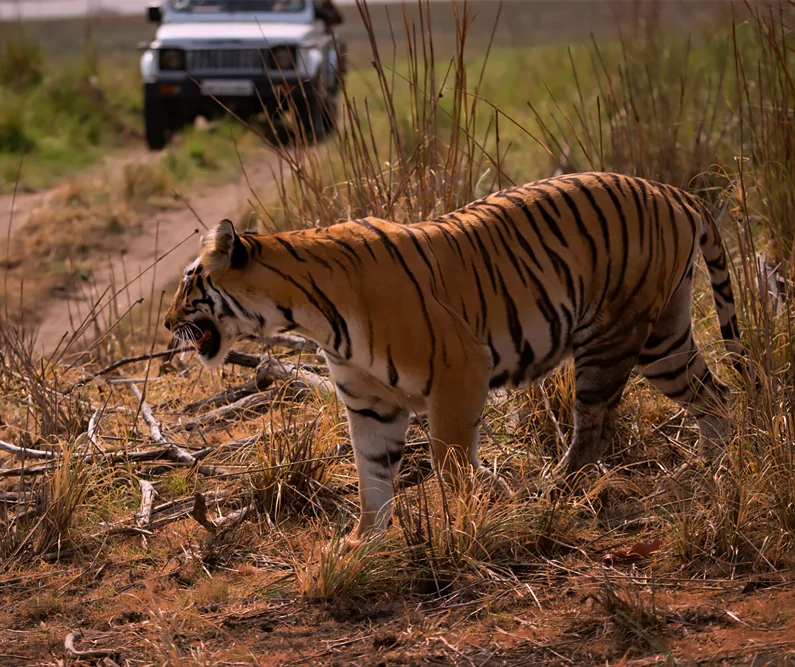
Tadoba National Park is known among wildlife enthusiasts for its Bengal tiger population and tiger sightings. During Phase IV monitoring in 2024, an estimated 95 adult tigers were recorded in the sampled core and buffer area of Tadoba-Andhari Tiger Reserve. Tigers may occasionally be seen near roads, water sources or shaded forest areas, but sightings are never guaranteed. Tiger sightings can occur during different safari sessions and depend on natural movement, season and weather conditions.
Other Predators
The tigers are not the only predators in Tadoba National Park. Leopards are also found here and may be encountered around bushes, rocky areas or trees. Leopards are elusive animals, making an encounter a memorable part of a safari experience.
Other than them, wild dogs, known as dholes, are also present in Tadoba. These social predators generally move in packs and are skilled hunters. Dholes are present in Tadoba and may sometimes be seen moving in packs during a safari.
The tourists can also encounter striped hyenas, although they are difficult to spot. These are nocturnal and elusive animals. Because striped hyenas are mainly nocturnal and elusive, sightings during a safari are uncommon.
Gentle Giants & Forest Friends
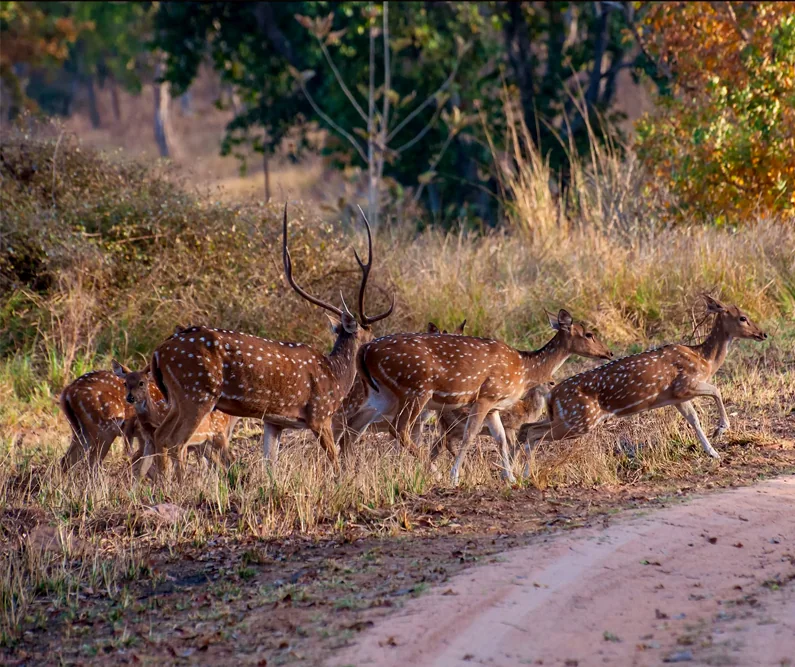
Not all the fauna of Tadoba National Park are hunters. The reserve is also home to herbivores such as Indian gaur, sambar and chital, along with omnivorous sloth bears. Sloth bears can be encountered while moving through the forest or foraging for food. On the other hand, gaurs may also be encountered in different parts of the Tadoba landscape. Deer are commonly associated with water holes and open grassland areas during safaris. Deer and other prey species may give alarm calls when they detect predators, and experienced guides often listen for these calls during a safari.
Birds, Reptiles & More
The fauna of Tadoba National Park also includes birds and reptiles. The current official TATR biodiversity portal lists more than 300 bird species in the Tadoba landscape. Visitors may encounter beautiful birds such as kingfishers and Indian peafowl during a safari. Indian peafowl are among the bird species visitors may encounter during a safari.
Official wildlife inventories have documented rich reptile, amphibian and fish diversity in Tadoba, although reported species totals vary between surveys and official sources. Reptiles and amphibians can be found in different habitats, particularly around suitable forest and wetland areas. Each reptile or amphibian plays an important role in the park’s ecosystem. The lakes and streams also support aquatic biodiversity, contributing to the overall richness of the Tadoba landscape.
Before entering the reserve, review our responsible wildlife viewing guidelines for visitors.